
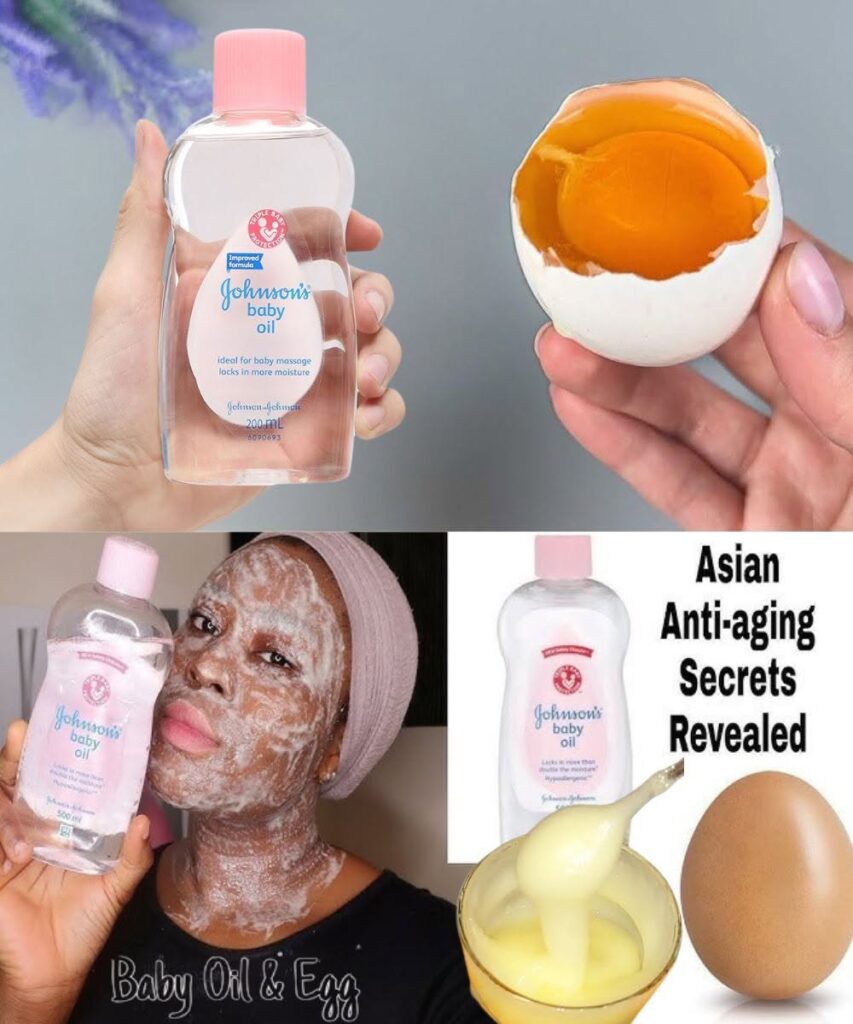
How to Use Baby Oil to GLOW UP (Beauty Tips and Tricks)
What can happen naturally is that very early tooth decay (before a cavity forms) may be slowed or partially remineralized. Good habits include:
- Brushing twice daily with fluoride toothpaste.
- Cleaning between teeth with floss or interdental brushes.
- Drinking fluoridated water if available.
- Limiting frequent consumption of sugary foods and drinks.
- Chewing sugar-free gum (especially with xylitol) after meals.
- Maintaining a balanced diet with adequate calcium and vitamin D.
Signs that you should see a dentist include:
- Tooth pain or sensitivity.
- Visible holes, pits, or dark spots in a tooth.
- Swelling of the gums or face.
- Pain when biting.
If you’re asking because you’ve seen social media claims about “healing cavities naturally,” those claims often confuse early enamel demineralization with an established cavity. Once a cavity has formed, professional dental treatment is typically needed to restore the damaged tooth.
If you describe what you’re seeing (white spot, brown spot, visible hole, pain, sensitivity, etc.), I can explain what’s most likely going on and what options are available.
Baby oil is primarily a mineral-oil-based moisturizer that helps reduce water loss from the skin. It can make skin look smoother and shinier temporarily, but it isn’t a magic “glow up” product.
Some common beauty uses include:
For body moisturizing
- Apply a small amount to damp skin after a shower to help lock in moisture.
- This often gives the skin a glossy, hydrated appearance.
For dry areas
- Can be used on elbows, knees, heels, and cuticles to soften dry skin.
As a makeup remover
- Baby oil can help dissolve some makeup, including waterproof products.
- Wash the skin afterward to remove any oily residue.
For shaving
- Some people use a small amount as a shaving lubricant or apply it after shaving to reduce dryness.
For hair
- A tiny amount on the ends of hair can reduce the appearance of frizz and add shine.
- Using too much can make hair look greasy.
Things to keep in mind
- Baby oil is occlusive (it seals moisture in) but doesn’t add moisture by itself.
- It may contribute to breakouts in some people, especially when used heavily on acne-prone facial skin.
- Avoid getting it in your eyes.
- It can make floors, tubs, and surfaces slippery.
For a healthy-looking glow, the habits with the strongest evidence are consistent sun protection, adequate sleep, a balanced diet, regular moisturizing, and a skincare routine suited to your skin type. Baby oil can enhance the appearance of smooth, hydrated skin, but it won’t change skin tone, erase pores, or permanently improve skin quality.