
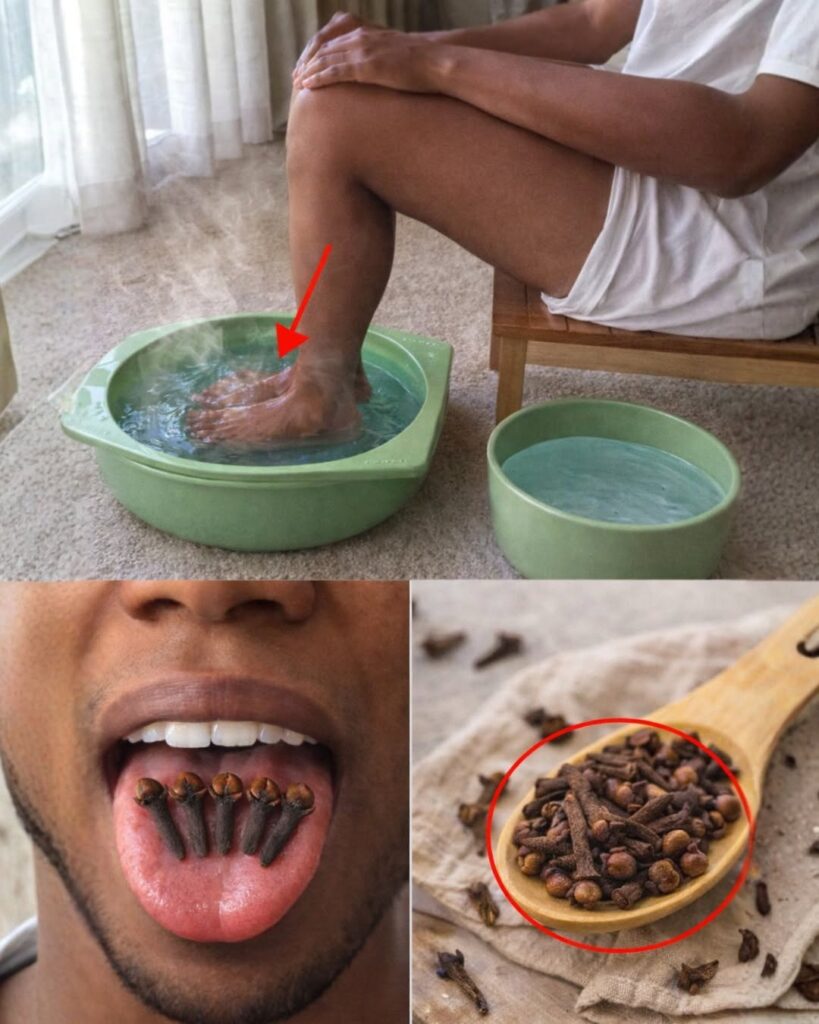
Many women experience recurring vaginal discomfort, such as itching, unusual odor, or irritation at some point each year. Studies suggest that 8% to 18% of women report these symptoms annually, often linked to shifts in vaginal pH or microbial balance. These issues can feel frustrating and isolating, especially when everyday activities like wearing certain clothes or being intimate become uncomfortable. The good news is that simple, time-honored home practices—like soaking in warm water infused with natural ingredients from your kitchen—offer a soothing way to support personal hygiene and comfort. One such approach that’s gaining quiet attention is using clove water in a sitz bath, a gentle ritual passed down through generations. Stick around to learn how to prepare it safely and why many women find it refreshing.
The Common Challenges Women Face “Below the Belt”
As women move through their 30s, 40s, and beyond—or after life events like childbirth—the vaginal environment can shift. Hormonal changes, stress, or even daily habits may lead to temporary imbalances, resulting in feelings of irritation, lingering odor despite regular washing, or mild discomfort. The CDC notes that bacterial vaginosis, a common contributor to these sensations, affects many women, with recurrence common even after standard approaches. It’s easy to feel stuck in a cycle of trying various products, only to see symptoms return. But what if a low-cost, natural option could become part of your self-care routine? Research on plant-based compounds shows promise in supporting microbial balance without harsh disruption.
Why Consider Clove Water in a Sitz Bath?
Clove (Syzygium aromaticum) has a long history in traditional wellness practices, thanks to its eugenol content—a compound studied for its properties. When steeped in warm water for a sitz bath (a shallow soak covering the hips and perineum), it creates a gentle, aromatic infusion. Many midwives and women share stories of using this for postpartum soothing or general comfort. While not a medical treatment, lab studies indicate clove extracts show activity against certain microbes like Candida albicans and Gardnerella vaginalis in controlled settings, often with less impact on beneficial Lactobacillus compared to some conventional options.
But that’s not all—warm water alone boosts circulation to the area, which can feel calming. Adding cloves may enhance the experience with a subtle spicy warmth.
Key Ways Clove Water Sitz Baths May Support Comfort
Research and traditional use highlight several potential supportive aspects:
- Supporting Microbial Balance: Studies, including those in journals like Phytotherapy Research, suggest clove compounds can inhibit certain unwanted microbes while preserving much of the healthy flora. This gentle selectivity appeals to women seeking options beyond broad-spectrum approaches.
- Soothing Postpartum or Perineal Discomfort: Sitz baths are commonly recommended for perineal healing after birth or for hemorrhoid relief. Warm water promotes blood flow and eases swelling. Some women add herbs like cloves for extra soothing, as noted in wellness traditions.
- Odor and Freshness Support: By helping maintain an acidic environment, clove infusions may contribute to a neutral, clean feeling that lasts longer through the day.
- Itch and Irritation Relief: The warm soak combined with clove’s properties can provide quick, noticeable calm—often felt within minutes of sitting.
Other reported benefits from user experiences and preliminary research include reduced yeast flare-up frequency, calming sensitivity around Bartholin’s glands, better natural moisture from lowered inflammation, fewer UTI-like discomforts, post-intimacy freshness, and even menstrual ease through improved pelvic flow.
You’re already ahead—many readers drop off here, but you’re discovering practical insights.
Quick Mid-Article Check-In
Pause for a second:
- How would you rate your current intimate comfort (1-10)?
- What’s one discomfort you’d love to ease?
- Has reading this shifted your perspective even slightly?
Keep going—the actionable part is next.
Your Easy 30-Day Clove Sitz Bath Routine
Here’s a simple, step-by-step protocol to try:
- Gather supplies: 15–25 whole cloves (from your spice rack), 2 quarts water, a shallow tub or sitz bath basin.
- Prepare the infusion:
- Boil water.
- Add cloves and steep 10–15 minutes (like tea).
- Strain if desired, cool to 100–104°F (warm, not hot).
- Soak:
- Sit for 12–15 minutes.
- Relax—perhaps light a candle or play soft music.
Follow this schedule:
- Week 1: Every other day (notice freshness build).
- Week 2: 3 times per week (odor concerns may fade).
- Week 3: 2–3 times (intimacy confidence may rise).
- Week 4: 1–2 times + as needed (maintain that “just clean” feel).
Clove Sitz Bath vs. Common Alternatives
Here’s a quick comparison to help you see the differences:
- Scented wipes: Quick but short-lasting (2–4 hours), often disrupt balance, ~$0.75/use.
- Boric acid suppositories: Longer relief (days), but can irritate some, ~$1.20/use.
- Tea-tree options: Moderate duration, potential sensitivity, higher cost.
- Clove water sitz: 3–10 min onset, 24–72 hours comfort, pennies per use, gentle on flora.
Pro Tips from Experienced Users
- Reuse cloves up to 3 times (fridge between soaks).
- Add Epsom salt (1 tbsp) for extra cramp or swelling relief.
- Rinse with plain water afterward if skin feels sensitive.
- Use a peri bottle for targeted application postpartum.
Imagine Feeling More at Ease in 30 Days
Picture slipping into clothes without second-guessing, enjoying spontaneous moments, and moving through your day with quiet confidence. This simple ritual costs almost nothing yet offers a moment of self-care. Start small tonight: steep those cloves and soak.
P.S. Many find it especially refreshing during menstruation—try with a dark towel for minimal mess.
FAQ
How often can I safely do a clove sitz bath?
Most women start with 2–3 times weekly and adjust based on comfort. Listen to your body and stop if any irritation occurs.
Is this safe during pregnancy or postpartum?
Warm sitz baths are often recommended postpartum, but consult your provider first—especially with stitches or active concerns.
What if I don’t have a tub?
Use a large basin or sitz attachment over the toilet for easy, targeted soaking.
Disclaimer: This article is for informational purposes only and is not a substitute for professional medical advice. Always consult your healthcare provider before trying new remedies, particularly if pregnant, postpartum, or dealing with an active condition. Individual results vary, and this is not intended to diagnose, treat, cure, or prevent any disease.