10 Signs Your Body May Need More Vitamin D 🌞
10 Signs Your Body May Need More Vitamin D 🌞
Vitamin D, often known as the “sunshine vitamin,” plays an important role in maintaining overall health. It supports strong bones, healthy muscles, immune function, and many other processes throughout the body.
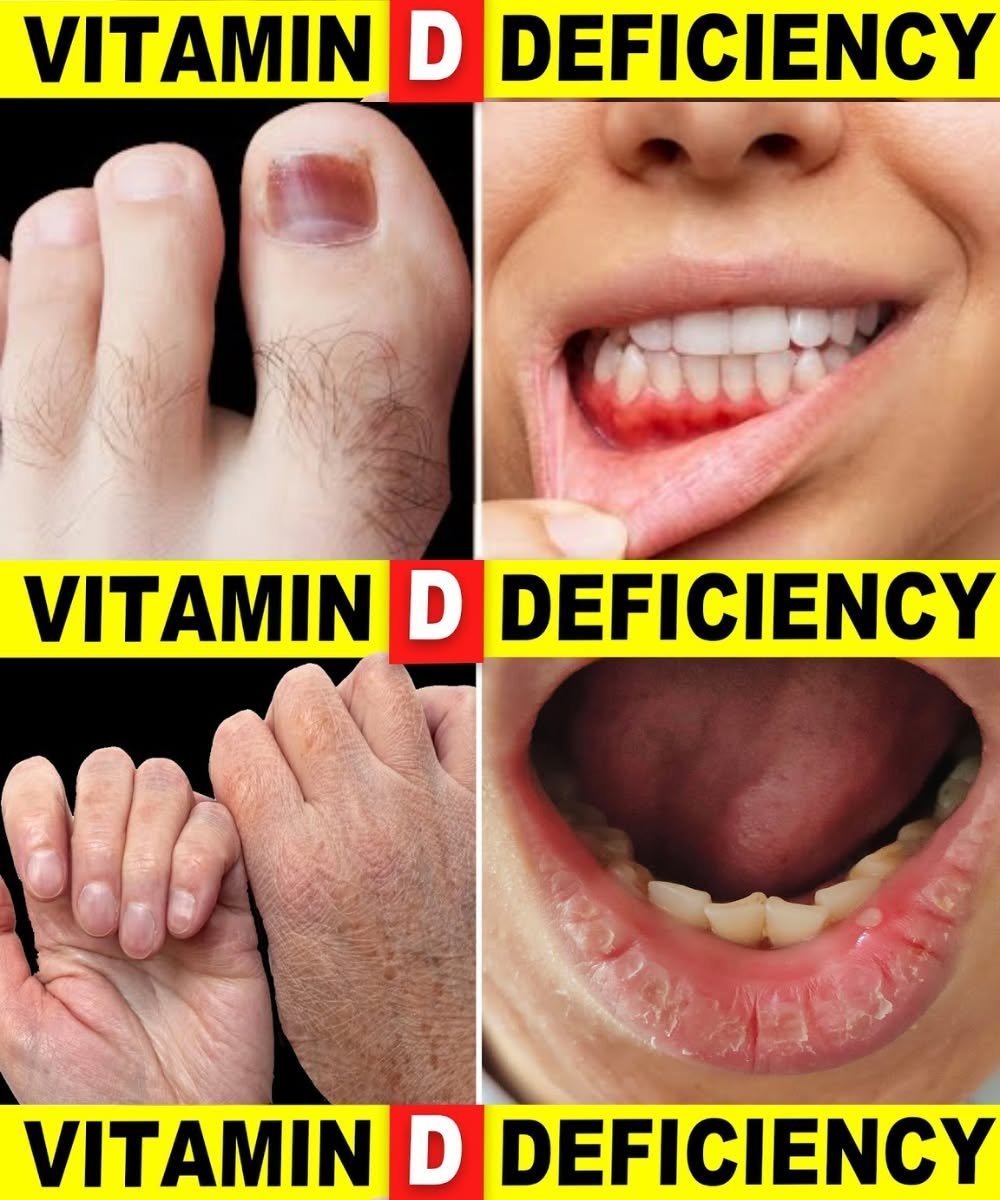
Despite its importance, vitamin D deficiency is common, and many people may not realize their levels are low. The symptoms can be subtle and may overlap with other health conditions, so persistent concerns should always be discussed with a healthcare professional.
Here are 10 possible signs that your body may not be getting enough vitamin D.
1. Frequent Illnesses or Infections
If you seem to catch every cold or infection going around, low vitamin D may be one factor to consider.
Vitamin D helps regulate immune system activity and supports the body’s natural defenses against harmful bacteria and viruses.
Possible signs include:
- Frequent colds
- Slow recovery from infections
- Feeling run down often
2. Constant Fatigue and Low Energy
Feeling tired even after getting enough sleep can have many causes, including stress, poor sleep quality, anemia, thyroid problems, and vitamin deficiencies.
Low vitamin D levels have been associated with fatigue and reduced energy in some people.
If exhaustion becomes persistent or affects daily life, a medical check-up may help identify the cause.
3. Muscle Pain or Weakness
Vitamin D is important for normal muscle function.
A deficiency may contribute to:
- Muscle aches
- Cramps
- Weakness
- Reduced physical performance
Some people notice difficulty with exercise or slower recovery after activity.
4. Bone Pain or Weak Bones
Vitamin D helps the body absorb calcium, which is essential for maintaining strong bones.
When vitamin D levels are too low, bones may become weaker over time.
Possible signs include:
- Deep aches in the back, hips, or legs
- Increased risk of bone weakness
- Greater vulnerability to fractures
5. Mood Changes or Feeling Down
Vitamin D receptors are found in many areas of the brain, and research has explored a possible connection between vitamin D levels and mood.
Some people with low vitamin D report:
- Low mood
- Reduced motivation
- Seasonal changes in mood
However, depression and mood changes can have many causes and should be evaluated as needed.
6. Hair Thinning or Hair Loss
Vitamin D plays a role in healthy hair follicle function.
Low levels have been associated with some forms of hair loss, although hair changes can also result from:
- Hormonal changes
- Stress
- Nutritional deficiencies
- Medical conditions
If hair loss is sudden or severe, professional advice is recommended.
7. Slow Wound Healing
Vitamin D is involved in immune responses and tissue repair.
If cuts, injuries, or wounds seem to heal more slowly than usual, it may be worth checking for possible contributing factors, including nutritional deficiencies.
8. Difficulty Managing Weight
Some studies have found associations between low vitamin D levels and higher body weight.
Vitamin D may influence:
- Metabolism
- Hormone regulation
- Fat storage processes
However, vitamin D alone is not a weight-loss solution. A balanced diet, physical activity, and healthy lifestyle habits remain essential.
9. Increased Sweating, Especially on the Head
Some sources associate unusual sweating, especially excessive sweating of the scalp, with low vitamin D levels.
However, sweating can also be caused by many other factors, including:
- Temperature
- Hormonal changes
- Medications
- Anxiety
- Other medical conditions
Persistent unexplained sweating should be discussed with a healthcare professional.
10. Feeling Worse During Winter Months
Because sunlight helps the body produce vitamin D, levels may decrease during months with less sun exposure.
Some people notice:
- Lower energy in winter
- More frequent illnesses
- Mood changes during colder months
People who spend little time outdoors may have a higher risk of deficiency.
How to Support Healthy Vitamin D Levels
☀️ Get Safe Sun Exposure
Sunlight helps the skin produce vitamin D. The amount needed varies depending on location, skin type, season, and other factors.
🥚 Include Vitamin D–Rich Foods
Good sources include:
- Fatty fish such as salmon and sardines
- Egg yolks
- Fortified milk and foods
- Some types of mushrooms
💊 Consider Supplements When Needed
A vitamin D supplement may help people with confirmed deficiency or higher risk factors. It is best to discuss dosage with a healthcare professional.
When Should You Get Your Vitamin D Levels Checked?
A simple blood test can measure vitamin D levels.
Consider speaking with a healthcare provider if you have:
- Persistent fatigue
- Bone or muscle pain
- Frequent infections
- Risk factors for deficiency
- Symptoms that do not improve with lifestyle changes
Final Thoughts
Vitamin D is an important nutrient that supports many systems in the body. While symptoms of deficiency can be easy to overlook, paying attention to ongoing changes—such as fatigue, muscle discomfort, or frequent illness—can help you take action.
A balanced lifestyle, healthy diet, safe sunlight exposure, and appropriate medical guidance can help maintain healthy vitamin D levels and support overall well-being.