10 Natural Ways to Keep Mice and Rats Away From Your Home 🐭🌿
10 Natural Ways to Keep Mice and Rats Away From Your Home 🐭🌿
Finding a mouse or rat inside your home can be stressful, especially when you want to avoid poison or potentially dangerous traps.
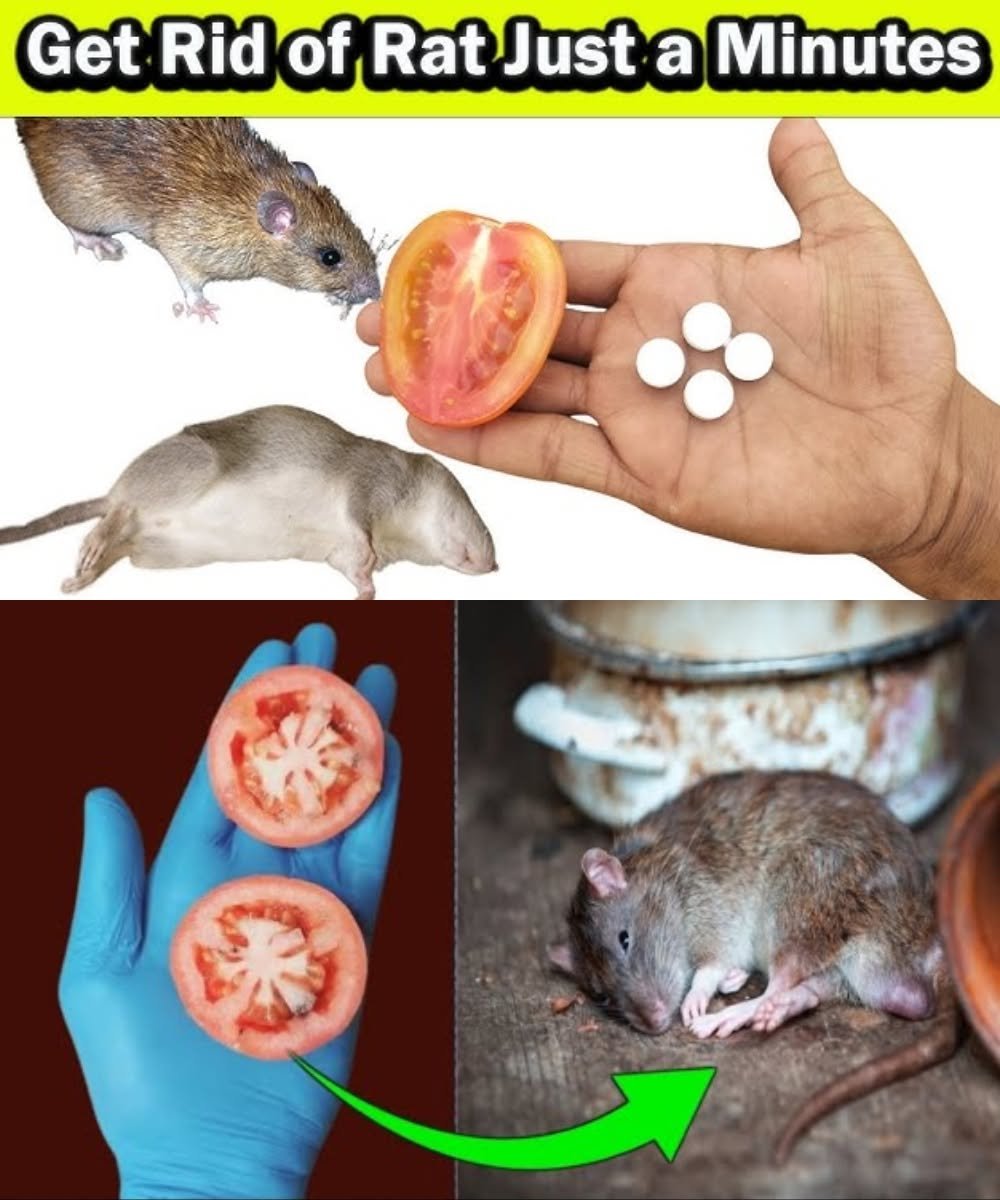
Fortunately, there are several practical, lower-risk steps you can take to make your home less attractive to rodents. Some household scents may temporarily discourage rodents, but there is no reliable natural remedy that can make mice or rats disappear within 60 seconds.
For lasting results, the most effective approach is to combine cleanliness, food storage, exclusion, and appropriate pest-control methods.
1. Peppermint Oil
Peppermint has a strong smell that some people use as a temporary rodent deterrent.
You can place a few drops of peppermint essential oil on cotton balls and put them near suspected entry points.
However, scent-based repellents generally need to be replaced regularly and should not be relied upon as the only method of rodent control.
Pet safety note: Essential oils can be harmful to some pets, particularly when concentrated or improperly used. Keep them away from animals and children.
2. Garlic
Garlic has a strong odor that may make certain areas less appealing to rodents.
You can place crushed garlic near suspected entry points, but its effect is temporary and it will not eliminate an established infestation.
Replace it frequently as the smell fades.
3. Onions
Fresh onion has a strong odor and can be used as a temporary household deterrent.
Place pieces near areas where rodents have been noticed, but don’t expect onions alone to remove mice or rats from your home.
Keep them away from pets, as onions can be toxic to dogs and cats if eaten.
4. Cloves
The strong aroma of cloves may discourage rodents from lingering in certain areas.
Try placing whole cloves in small breathable sachets near cupboards or other areas of activity.
Like other scent-based remedies, cloves work best as a supplementary measure rather than a complete solution.
5. Keep Food Completely Sealed
One of the most important steps is removing easy access to food.
Store:
- Grains
- Cereals
- Flour
- Nuts
- Pet food
- Snacks
in tightly sealed containers.
Clean crumbs and food spills promptly, and avoid leaving pet food out overnight.
6. Remove Water Sources
Rodents need access to water as well as food.
Repair leaking pipes and faucets, dry wet areas, and avoid leaving standing water around the home.
Reducing both food and water availability can make your property less attractive to rodents.
7. Seal Small Holes and Cracks
This is one of the most effective long-term strategies.
Mice can enter through surprisingly small openings. Inspect areas around:
- Doors and windows
- Pipes
- Utility lines
- Cabinets
- Foundations
- Vents
- Roof and attic openings
Use appropriate durable materials to seal gaps. Steel wool can sometimes be used as part of a repair, but it should be secured properly and combined with a suitable sealant or hardware where appropriate.
8. Keep Garbage Secure
Uncovered garbage can provide rodents with an easy source of food.
Use containers with tight-fitting lids and clean food residue from bins regularly.
If you have outdoor garbage, position it away from doors and other possible entry points when practical.
9. Reduce Clutter
Rodents prefer areas where they can hide undisturbed.
Reduce piles of:
- Cardboard
- Paper
- Fabric
- Stored boxes
- Yard debris
- Unused materials
Keep storage areas organized and inspect dark, undisturbed spaces regularly.
10. Use Professional Help When Necessary
If you continue finding droppings, gnaw marks, nesting material, or live rodents despite your efforts, you may be dealing with an established infestation.
At that point, professional pest management can help identify entry points and determine an appropriate control strategy.
Avoid using dangerous chemicals or homemade mixtures around children and pets.
⚠️ What About Vinegar, Cayenne Pepper and Ammonia?
These remedies are commonly promoted online, but they should not be treated as guaranteed solutions.
Ammonia deserves particular caution. Its fumes can irritate the eyes and respiratory system, and it should never be mixed with bleach or other cleaning chemicals.
Cayenne pepper can also irritate the eyes, skin, and airways. Vinegar may help with cleaning odors and surfaces, but it is not a dependable method for eliminating rodents.
🐭 The Real Secret to Rodent Control
Instead of trying to make rodents “run away” instantly, think about three simple goals:
1. Remove food.
2. Remove access.
3. Seal entry points.
Repellents may provide temporary assistance, but preventing rodents from entering in the first place is much more reliable.
💚 Final Thoughts
Natural scents such as peppermint, garlic, or cloves may be worth trying as supplementary deterrents, but claims that they can make mice or rats disappear in 60 seconds are not supported by strong evidence.
The safest long-term strategy is simple: keep food sealed, reduce clutter, remove water sources, clean up droppings safely, and seal openings around your home.
If signs of infestation continue, don’t wait for the problem to grow. Professional pest-control advice can help you deal with the issue safely and effectively—without unnecessarily exposing your family or pets to harmful chemicals. 🏠🐭🌿